Phoenix Auto Shipping: The Complete Guide to Choosing Reliable Car Transport Services, Comparing Shipping Costs, and Ensuring Safe Vehicle Delivery
Moving a vehicle to another state or arranging transportation across the country requires careful planning, dependable service, and a clear understanding of shipping costs. Whether you are relocating for work, purchasing a car online, sending a vehicle to a family member, or transporting a classic automobile, choosing the right auto transport provider can make the process significantly easier. Phoenix auto shipping services offer convenient solutions for individuals, families, dealerships, military personnel, and businesses that need vehicles delivered to destinations throughout the United States.
With several transportation options available, finding the right provider involves more than comparing the lowest advertised price. Customers should evaluate carrier credentials, insurance coverage, delivery estimates, communication standards, and the transportation method that best suits their vehicles. Understanding these factors helps you make an informed decision while reducing the likelihood of unexpected expenses or avoidable delays.
This comprehensive guide explains how vehicle transportation works, what influences shipping rates, how to compare professional services, and which preparation steps can help protect your car throughout the journey. By following these recommendations, you can arrange a smoother shipping experience from pickup in Phoenix to delivery at your destination.
Understanding Phoenix Auto Shipping Services
Auto shipping involves transporting a vehicle from one location to another using specialized carriers. Depending on the distance, vehicle type, schedule, and budget, customers can select different transportation methods and delivery arrangements. Professional providers coordinate the shipping process, communicate important details, and help customers understand the requirements before the vehicle is collected.
Phoenix is a major metropolitan area with connections to interstate transportation routes serving destinations throughout Arizona and the wider United States. Consequently, customers can arrange vehicle shipments for local relocations, interstate moves, seasonal travel, online vehicle purchases, and long-distance transfers.
Who Benefits From Vehicle Shipping?
Auto transport services accommodate a broad range of customers with different transportation needs. Homeowners moving out of Arizona may prefer shipping their vehicles rather than driving long distances. College students can arrange transportation when attending schools in another state, while military families may need dependable solutions during relocation assignments.
Dealerships and automotive businesses also use vehicle transport to move inventory between locations. Online car buyers frequently rely on professional carriers when purchasing vehicles from distant sellers. Additionally, collectors may require specialized transportation for classic, luxury, exotic, or restored automobiles that deserve extra protection.
Common Vehicle Shipping Situations
- Residential relocation: Transport cars when moving to a new home or another state.
- Online vehicle purchases: Arrange delivery for cars bought from private sellers, dealerships, or online marketplaces.
- Seasonal travel: Ship a vehicle to a second home or seasonal destination.
- Military relocation: Coordinate vehicle transportation around relocation schedules and reporting dates.
- Dealership transfers: Move vehicles between dealerships, auctions, storage facilities, and customers.
- Specialty vehicle transportation: Arrange appropriate handling for classic cars, luxury vehicles, and other high-value automobiles.
How to Choose Reliable Phoenix Auto Shipping Companies
Selecting a trustworthy transportation provider is one of the most important parts of arranging vehicle delivery. Although competitive pricing matters, a low quote does not necessarily indicate dependable service. Reviewing company credentials, contract terms, communication practices, and insurance arrangements can help you identify a provider that fits your requirements.
Verify Registration and Operating Credentials
Before booking a shipment, determine whether the business is a motor carrier or a transportation broker. A motor carrier physically transports vehicles, whereas a broker arranges transportation through authorized carriers. Some businesses operate in both capacities, so understanding their role helps clarify who will handle your vehicle and whom you should contact with questions.
For interstate transportation, verify the relevant federal registration and operating authority through the Federal Motor Carrier Safety Administration (FMCSA). Depending on the provider's role and operations, applicable requirements may differ. Customers can use official registration resources to review available company information and check whether the business is authorized to perform the services it advertises.
Ask for the legal business name and applicable USDOT or motor carrier number when relevant. Confirm that the information matches the company you intend to hire, and investigate any inconsistencies before making a payment.
Review Customer Feedback Carefully
Customer reviews can reveal useful details about scheduling, communication, vehicle handling, and dispute resolution. Instead of relying exclusively on star ratings, read several recent reviews across independent platforms to identify recurring patterns.
Pay attention to comments about missed pickup windows, unexpected charges, delayed responses, and damage claims. Positive feedback about clear communication, accurate estimates, and professional delivery practices can also help you distinguish established providers from less dependable alternatives.
Remember that individual reviews represent personal experiences rather than guaranteed outcomes. Consider the overall pattern of feedback alongside documented credentials, written terms, and direct communication with the company.
Understand the Company's Responsibilities
Before signing an agreement, establish whether the provider is responsible for transporting your vehicle directly or coordinating with another carrier. When working with a broker, ask how the assigned carrier will be identified and how you will receive its contact information.
Reliable service should include clear explanations of the booking process, expected pickup arrangements, delivery estimates, payment terms, and procedures for reporting damage. Written documentation helps establish expectations and provides a useful reference if questions arise later.
Comparing Auto Shipping Costs in Phoenix
Shipping prices vary according to the route, vehicle specifications, transportation method, season, and available carrier capacity. A short regional shipment may have a different cost structure from a cross-country delivery, while an oversized vehicle may require specialized equipment or additional space.
When comparing Phoenix auto shipping quotes, request detailed estimates from multiple qualified providers. Ensure that each quote covers a similar route, vehicle, pickup window, delivery arrangement, and service level. Comparing equivalent services makes it easier to understand the actual differences in pricing.
Distance and Route Demand
The distance between Phoenix and the destination is an important pricing factor, but rates do not always increase proportionally with mileage. Longer routes may offer transportation efficiencies, while remote destinations can require additional coordination or repositioning.
Popular interstate corridors may have more available carriers than locations with limited transportation traffic. Seasonal demand, road conditions, and the number of vehicles awaiting transport can also influence pricing. Flexible pickup dates may provide access to more options when carrier capacity changes.
Vehicle Size and Condition
Standard sedans generally fit conventional carrier configurations, whereas large SUVs, pickup trucks, vans, and oversized vehicles can occupy more space or exceed standard weight limits. These differences may affect the final shipping estimate.
Vehicle operability is another consideration. Cars that start, steer, and brake normally are generally easier to load than inoperable vehicles. Non-running automobiles may require a winch, specialized loading equipment, or a carrier equipped to handle their condition.
Transportation Method
The type of carrier you select can significantly affect the total price. Open transport is commonly the more economical option, while enclosed transportation typically costs more because it offers additional protection and uses specialized equipment.
Expedited pickup, customized handling, and particular delivery arrangements may also increase costs. Before choosing an upgrade, determine whether the additional service addresses a genuine need for your vehicle, schedule, or budget.
Seasonal Demand and Scheduling
Transportation demand can fluctuate throughout the year. Relocation periods, seasonal travel, major holidays, and changes in weather may affect carrier availability on particular routes.
Booking ahead can provide more time to compare estimates and coordinate pickup. However, advance booking does not guarantee a specific price or delivery date. Ask whether your quoted rate is fixed, what conditions could change it, and whether any additional fees require your approval.
What Should an Auto Shipping Quote Include?
A useful estimate should explain the main charges and the conditions attached to the service. Before accepting a proposal, review the following details:
- The vehicle's pickup and delivery locations.
- The selected open or enclosed transportation method.
- The estimated pickup window and delivery timeframe.
- The total quoted amount and any disclosed additional fees.
- The deposit, balance, and accepted payment methods.
- The applicable cargo insurance arrangements and limitations.
- The cancellation, rescheduling, and refund policies.
- The process for documenting vehicle condition and submitting damage claims.
Do not assume that every advertised quote represents a guaranteed final price. Request written clarification about circumstances that could increase the cost, and avoid providers that refuse to explain their pricing structure.
Open vs. Enclosed Auto Transport
Choosing the appropriate carrier is an important decision because the transportation method influences both cost and the level of exposure during transit. Open and enclosed transport are the two most common options for shipping passenger vehicles over long distances.
Open Auto Transport
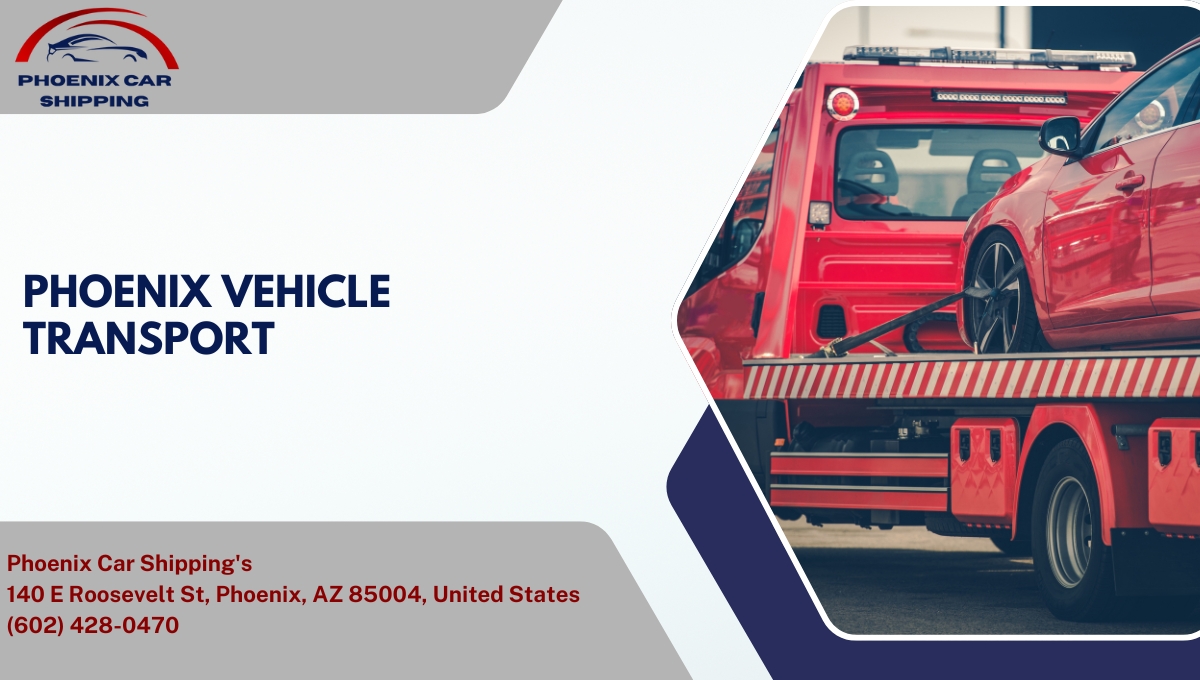
Open carriers transport vehicles on trailers exposed to outdoor conditions. These trucks are widely used for dealership deliveries, everyday cars, and routine interstate transportation. Their broad availability often makes them an economical choice for customers who want practical vehicle delivery without specialized equipment.
Although open transport is a common and established shipping method, vehicles remain exposed to weather, road dust, and ordinary environmental conditions during transit. Customers should discuss the carrier's insurance arrangements and the procedures for recording existing or newly discovered damage.
For many standard vehicles, open transport provides a suitable balance between affordability and convenience. It is worth Phoenix Car Shipping's considering when the car does not require special handling and the customer is comfortable with normal outdoor exposure.
Enclosed Auto Transport
Enclosed carriers transport vehicles inside covered trailers, helping shield them from rain, road debris, dust, and other external elements. This option is frequently selected for classic cars, luxury automobiles, exotic models, restored vehicles, and other valuable vehicles that require additional protection.
Because enclosed equipment may have limited availability and higher operating costs, this service generally carries a higher price than open transport. Customers should confirm loading procedures, vehicle clearance requirements, insurance terms, and any restrictions associated with the selected carrier.
While enclosed shipping reduces exposure to outside conditions, it does not eliminate every transportation risk. Reviewing the carrier's handling procedures and documenting the vehicle's condition remain essential regardless of the selected service.
Which Option Should You Choose?
For everyday vehicles, open transport is often a practical starting point when budget and availability are priorities. Conversely, enclosed shipping may be more appropriate when protecting a collectible or high-value automobile from environmental exposure is especially important.
Compare the additional cost with the vehicle's value, condition, and protection requirements before making a decision. A reputable provider should explain the differences between the available services without pressuring you into an unnecessary upgrade.
Door-to-Door and Terminal-to-Terminal Shipping
Pickup and delivery arrangements can influence convenience, scheduling, and the final transportation price. Depending on the carrier and route, customers may be able to choose between door-to-door service and terminal-based transportation.
Door-to-Door Vehicle Delivery
Door-to-door service aims to collect and deliver a vehicle as close as reasonably possible to the specified addresses. This arrangement can save time because customers may not need to travel to a separate storage facility or transportation terminal.
However, large carrier trucks cannot safely access every residential street, apartment complex, gated community, or narrow driveway. Parking restrictions, low tree branches, local regulations, and limited turning space may require the driver to meet the customer at a nearby accessible location.
When arranging Phoenix auto shipping, provide accurate address information and discuss access limitations before confirming the booking. Clear instructions help reduce unnecessary delays and make pickup and delivery easier to coordinate.
Terminal-to-Terminal Transportation
Terminal-to-terminal shipping involves dropping off and collecting the vehicle at designated transportation facilities. Depending on the provider's network, this option may suit customers who can travel to the terminals and accommodate the associated schedules.
Before selecting terminal service, ask about operating hours, storage charges, vehicle access, security procedures, and the length of time the car can remain at the facility. Additional handling or storage fees may affect the overall cost.
Compare the total expense of terminal transportation with the convenience of door-to-door service. A lower initial quote may not represent the best value if transportation to and from the terminals creates extra costs or logistical difficulties.
Preparing Your Vehicle for Safe Transportation
Proper preparation helps establish a clear record of your car's condition and reduces avoidable complications during loading, transit, and delivery. Before the carrier arrives, review the provider's instructions and confirm any vehicle-specific requirements.
Clean the Vehicle and Record Existing Damage
Wash the exterior before pickup whenever practical. Dirt, mud, and road grime can make it difficult to identify scratches, dents, chipped paint, and other existing imperfections.
Take clear photographs of the vehicle from several angles, including the front, rear, sides, roof, wheels, and any areas with visible damage. Capture close-up images of existing scratches or dents, and retain the photographs with your shipping documents.
During collection, review the inspection report or bill of lading with the carrier. Ensure that existing damage is accurately recorded and keep a copy for comparison when the vehicle arrives at its destination.
Remove Personal Belongings
Remove loose items, valuables, important documents, electronics, and personal belongings from the passenger compartment and trunk. Personal property left inside a vehicle may not be covered by the carrier's cargo insurance, and some carriers prohibit transporting belongings altogether.
Ask the provider about its policy before leaving anything in the car. If limited personal items are permitted, confirm any weight restrictions and understand who bears responsibility for those belongings.
Check Fuel and Vehicle Condition
Unless the carrier specifies otherwise, keep the fuel level low but sufficient for loading and unloading. Many providers recommend approximately one-quarter of a tank, although individual instructions may differ.
Check for fluid leaks, tire problems, loose exterior components, and mechanical issues that could affect loading. Inform the carrier about modifications, lowered suspension, oversized tires, alarm systems, or other features that might require special handling.
For an inoperable vehicle, disclose the exact condition, including whether it can roll, steer, and brake. Accurate information allows the provider to arrange appropriate equipment and avoid problems when the driver arrives.
Secure or Remove Loose Accessories
Remove detachable accessories that could loosen during transit, including removable roof attachments, external racks, antennas, and unsecured decorative components. Fold in the mirrors when appropriate and follow the carrier's instructions for convertible tops, spoilers, and other specialized features.
Disable toll transponders and consider deactivating alarms that could drain the battery or cause unnecessary interruptions. Keep a spare key available for the driver, and retain your remaining keys and important documents.
Understanding Auto Shipping Insurance and Liability
Insurance is an essential consideration when arranging professional vehicle transportation. However, customers should not assume that every carrier offers identical coverage or that every type of damage is automatically protected.
Before booking, request written information about the transporting carrier's cargo insurance, applicable liability arrangements, coverage limits, deductibles where applicable, and exclusions. If using a broker, ask which carrier will perform the shipment and how you can verify its insurance information.
Questions to Ask About Coverage
- What cargo insurance does the actual transporting carrier maintain?
- Are there exclusions for pre-existing damage, mechanical problems, weather-related events, or particular vehicle types?
- What limits, deductibles, or other conditions apply to a potential claim?
- Does the policy adequately address the vehicle's value and any modifications?
- What documentation is required if damage occurs during transportation?
- How quickly must a customer report damage or submit a claim?
Depending on your circumstances, you may also wish to ask your personal auto insurer whether your existing policy offers any relevant protection during vehicle transport. Do not assume that personal coverage automatically applies to every shipping situation.
Document the Vehicle at Delivery
When your car arrives, inspect it carefully before signing the final delivery paperwork whenever possible. Compare its condition with the photographs and inspection report created at pickup.
Check the body panels, bumpers, glass, wheels, mirrors, roof, and other accessible areas for new damage. If you identify a concern, document it with photographs and make a clear written notation on the delivery inspection report or bill of lading before signing, where possible.
Notify the carrier and relevant service provider promptly, follow the applicable claim procedures, and preserve copies of all documents and communications. Reporting damage immediately can help establish a clear record, although the governing contract and policy will determine the applicable deadlines and requirements.
Planning Pickup and Delivery Timelines
Vehicle shipping requires coordination among customers, dispatchers, and carriers. Although providers can offer estimated schedules, actual pickup and delivery times may change because of traffic, weather, mechanical problems, route adjustments, and other operational factors.
Understand Pickup Windows
A pickup window identifies the period during which the carrier expects to collect the vehicle. It should not automatically be interpreted as a guaranteed appointment at a precise time.
When scheduling your Phoenix auto shipping service, ask when the pickup window begins and ends, how you will receive updates, and what happens if the driver cannot arrive as planned. Keep your phone accessible and ensure that someone authorized can release the vehicle if you cannot attend personally.
Allow Enough Time for Delivery
Delivery timing depends on the distance, route, weather, carrier schedule, and number of other vehicles being transported. A long-distance shipment may involve multiple stops, while a regional move may require less time under favorable conditions.
If you need the vehicle for work, travel, or another important commitment, communicate your deadline before accepting a quote. Ask whether expedited service is available and what additional charges or limitations apply.
Whenever possible, avoid scheduling essential activities immediately around an estimated delivery time. Maintaining a reasonable buffer provides flexibility if unexpected delays occur.
Common Mistakes to Avoid When Hiring Car Shippers
Even a seemingly straightforward shipment can become stressful when important details are overlooked. Understanding common mistakes helps you make better decisions and avoid unnecessary disputes.
Choosing Only by the Lowest Price
An unusually low quote may not reflect the actual cost of securing transportation. Some estimates can change when carrier availability shifts or when the original quote excludes certain charges.
Compare the written terms, payment structure, insurance arrangements, and service commitments rather than focusing exclusively on the headline price. Request clarification about anything that appears vague or inconsistent.
Ignoring the Contract
Booking agreements explain important responsibilities, cancellation terms, payment conditions, and procedures for handling problems. Read the document carefully before paying a deposit or authorizing a shipment.
Make sure you understand whether the quoted amount is binding, how price adjustments are handled, and what happens if either party needs to reschedule. Keep copies of the contract, quote, payment receipt, and relevant correspondence.
Providing Inaccurate Vehicle Information
Incorrect details about vehicle dimensions, operating condition, modifications, or pickup accessibility can interfere with dispatch arrangements. These problems may result in additional charges, a missed pickup, or the need for specialized equipment.
Provide the exact make, model, year, and condition of the vehicle when requesting an estimate. Mention any nonstandard features or mechanical limitations so the provider can make appropriate arrangements before dispatch.
Failing to Confirm the Actual Carrier
When a broker arranges your shipment, the company that collects your car may be different from the business that accepted your booking. Before pickup, obtain the carrier's identifying information, contact details, and confirmation of the scheduled arrangement.
Review the final documentation to ensure that the vehicle, route, and agreed services match your booking. Clear communication among all parties can help prevent misunderstandings.
Tips for Finding Affordable Phoenix Car Shipping Services
Keeping transportation costs manageable does not require sacrificing essential protections. A thoughtful approach to scheduling, service selection, and quote comparison can help you identify a suitable option within your budget.
Request Multiple Comparable Quotes
Contact several established providers and give each one the same information about your vehicle, route, pickup dates, and preferred carrier type. This approach creates a fair comparison and helps reveal whether a quote is unusually high or low.
Ask each company to explain its estimate and disclose potential extra charges. A transparent quote can be more valuable than a lower offer with uncertain conditions.
Maintain Flexible Pickup Dates
When your schedule permits, provide a reasonable pickup window instead of insisting on a single date. Greater flexibility may allow the provider to coordinate your vehicle with an available carrier traveling along the route.
Flexibility does not guarantee a lower rate, but it can increase the number of arrangements worth considering. Confirm how changes to the pickup window affect the agreed price and expected delivery schedule.
Select the Right Level of Service
Consider whether your vehicle requires enclosed transport, expedited pickup, or special loading equipment. Standard open transport may be sufficient for an everyday car, while valuable or delicate vehicles may justify additional protection.
Evaluate the total cost against your priorities rather than paying for features you do not need. At the same time, avoid removing essential safeguards simply to obtain the lowest possible price.
Book With Adequate Notice
Planning ahead gives you more time to review companies, check credentials, compare insurance arrangements, and coordinate delivery details. Last-minute requests can limit carrier availability, especially on busy routes or during periods of elevated demand.
Once you select a provider, confirm the booking in writing and retain the agreed terms. Proactive planning helps reduce uncertainty and makes it easier to address any changes before pickup.
Questions to Ask Before Booking Phoenix Auto Shipping
Asking direct questions before making a commitment can reveal how well a provider communicates and whether its services match your needs. Consider discussing the following points during the quote process.
- Who will transport my vehicle? Determine whether the company is the carrier, a broker, or both.
- Is the quoted price clearly defined? Ask which charges are included and what circumstances could change the total.
- What pickup and delivery windows should I expect? Request realistic estimates and learn how schedule changes will be communicated.
- What insurance applies to my shipment? Request documentation and an explanation of limits, exclusions, and claim procedures.
- How will the vehicle be inspected? Confirm how its condition will be recorded before loading and after delivery.
- Can you accommodate my vehicle's condition? Explain whether the car runs normally or requires special loading equipment.
- What happens if the shipment is delayed? Ask about communication, rescheduling, and any relevant contractual remedies.
- What are the cancellation terms? Review deadlines, deposit conditions, refunds, and possible cancellation charges.
- How can I contact the carrier during transit? Establish the correct contact process for updates or urgent concerns.
A professional provider should answer these questions clearly and give you enough information to make a considered decision. If the company avoids reasonable questions or pressures you to pay before explaining the terms, consider evaluating other options.
Special Considerations for Long-Distance Vehicle Transportation
Long-distance shipping involves additional planning because the vehicle may travel through multiple states and experience changing road, weather, and traffic conditions. Customers should verify the route, delivery arrangements, and communication process before the carrier begins the journey.
For interstate shipments, confirm that the relevant carrier has the required operating authority and insurance arrangements. Make sure your contact information remains accurate throughout the process, especially if you are moving and will no longer be available at the original address.
If you are shipping a vehicle to a new home, coordinate delivery with your move-in date and confirm that the destination provides sufficient space for unloading. For apartment buildings or restricted communities, identify an accessible meeting location in advance.
Customers transporting vehicles purchased from distant sellers should also coordinate with the seller to confirm that the automobile is ready for pickup. Ensure that the carrier can access the location, the necessary keys are available, and the paperwork required for release has been completed.
Specialized Auto Shipping for Luxury and Classic Cars
High-value vehicles may require more careful handling than standard passenger cars. Classic automobiles, exotic sports cars, luxury models, and restored vehicles can have unique dimensions, low ground clearance, delicate finishes, or specialized operating requirements.
When arranging transportation for these vehicles, discuss enclosed shipping, loading equipment, carrier experience, and insurance coverage. Provide accurate details about aftermarket modifications, hydraulic systems, battery requirements, and any features that affect safe loading or unloading.
Photograph the vehicle thoroughly and document its existing condition before collection. Ask whether the carrier has experience handling comparable automobiles and whether additional inspection procedures are available.
Because specialized equipment and customized arrangements can affect pricing, obtain a written estimate that identifies the selected service. Confirm all important details before authorizing the shipment rather than relying on verbal assurances alone.
What to Expect on Delivery Day
Preparing for delivery helps ensure that the final stage of transportation proceeds smoothly. Confirm the expected arrival window, the driver's contact information, and the meeting location before the vehicle reaches its destination.
Whenever possible, arrange for an authorized person to inspect and receive the vehicle. If the shipment is arriving at a location with limited parking, identify an appropriate unloading area that can accommodate the carrier safely.
Once the vehicle arrives, inspect it in daylight when practical and compare its condition with the pickup photographs and original inspection report. Examine accessible exterior surfaces, wheels, mirrors, glass, and other relevant components.
Check that the keys and any agreed vehicle accessories have been returned. If damage or a discrepancy is discovered, document the issue immediately, record it on the relevant delivery paperwork where possible, and notify the appropriate parties according to the contract and claim procedures.
Keep the signed bill of lading, photographs, payment records, and communications until the shipment is complete and any concerns have been resolved. Organized documentation can be useful if questions arise after delivery.
Frequently Asked Questions About Phoenix Auto Shipping
How much does it cost to ship a car from Phoenix?
The total price depends on the destination, vehicle size, transport method, carrier availability, schedule, and pickup requirements. Request current written estimates for your specific route instead of relying on a general price range that may not reflect your circumstances.
How long does car shipping from Phoenix take?
Transit time varies with the route, distance, weather, traffic, carrier schedule, and number of delivery stops. Ask the provider for a realistic pickup window and estimated delivery timeframe, and leave room for unexpected delays.
Is open auto transport safe for everyday vehicles?
Open transport is a widely used option for standard vehicles. However, cars transported on open trailers remain exposed to outdoor conditions. Review the carrier's credentials, insurance arrangements, vehicle inspection procedures, and handling practices before booking.
Should I choose enclosed shipping for my car?
Enclosed transport may be suitable for classic, luxury, exotic, or other high-value vehicles that benefit from additional protection against weather and road debris. Since the service generally costs more, compare the added expense with your vehicle's condition, value, and protection requirements.
Can I ship a car that does not run?
Many providers can transport inoperable vehicles, but suitable equipment and advance notice are necessary. Explain whether the car can roll, steer, and brake, and ask about winching requirements and additional charges before accepting the estimate.
Can personal belongings be left inside the vehicle?
Policies differ between carriers, and personal items may not be covered by cargo insurance. Removing belongings is generally the safest approach. If you need to leave anything in the vehicle, obtain written approval and confirm any weight limits or restrictions.
What documents should I keep during auto transport?
Retain your booking agreement, written estimate, payment receipts, pickup inspection report, bill of lading, vehicle photographs, and relevant communications. These records help establish the agreed service and document the vehicle's condition throughout the shipment.
How can I avoid unexpected shipping fees?
Provide accurate vehicle and address information, ask for a detailed written quote, review cancellation terms, and confirm the circumstances that could change the final price. Before authorizing additional charges, request an explanation and ensure that any applicable changes are documented.
Conclusion: Make an Informed Choice for Phoenix Auto Shipping
Arranging dependable vehicle transportation starts with identifying your priorities, researching qualified providers, and understanding the services available for your route. Whether you are moving across Arizona, relocating to another state, buying a car remotely, or transporting a valuable automobile, careful planning can help make the process more predictable.
Contact Us:
Phoenix Car Shipping's
Address: 140 E Roosevelt St, Phoenix, AZ 85004, United States
Phone: (602) 428-0470